
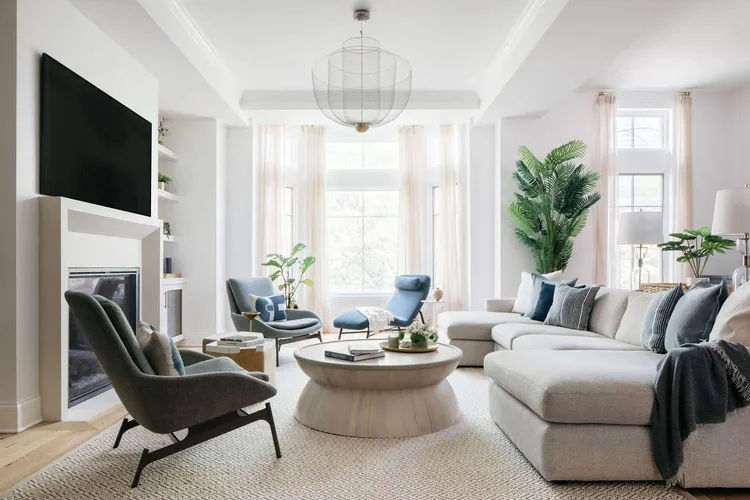
Soft living is less about following strict design rules and more about creating a home that feels calm, comforting, and easy to exist in. It’s a lifestyle shift that prioritises warmth over perfection, comfort over clutter, and intentional simplicity over excess. The right homeware plays a huge role in shaping this atmosphere, turning your space into somewhere you genuinely want to slow down in.
At its core, soft living is about reducing visual and mental noise. That means choosing pieces that feel gentle, natural, and soothing to be around. Instead of sharp contrasts and heavy decoration, the focus shifts toward soft textures, muted tones, and objects that serve both a functional and emotional purpose.
Textiles
One of the easiest ways to bring soft living into your home is through textiles. Fabrics have a strong influence on how a space feels, both visually and physically. Linen bedding, cotton luxury throws, and knitted blankets instantly create a sense of warmth.
Even swapping out a few cushion covers for softer, neutral-toned fabrics like what you’d find at Camden and Co can change the atmosphere of a room. The goal is to make your home feel like something you can sink into rather than just look at.
Lighting
Lighting is another essential part of this lifestyle; the big light is always a big no-no. Harsh overhead lighting can feel cold and clinical, and just isn’t necessary all the time, while softer lighting creates a more restful environment. Warm-toned lamps, diffused light sources, and candles all help to soften the edges of a room. The idea isn’t to make spaces darker, but to make the light feel more natural and comforting, especially in the evening when you’re winding down.
Stand Out Pieces
Instead of filling a space with decorative items, it focuses on choosing fewer, more meaningful pieces and even bigger standalone pieces such as large floor vases. A simple ceramic vase, a wooden tray, or a neutral-toned bowl can add character without overwhelming the room. Everything should feel like it belongs rather than competing for attention. This sense of restraint helps create visual calm, which translates into mental calm as well.
Natural Materials
Wood, clay, stone, and linen all bring a grounded, tactile quality to a space; they are also extremely good materials to interact with. Unlike synthetic materials that can feel harsh or overly polished, but also when done wrong can look extremely cheap, natural textures introduce warmth and imperfection in a way that feels more human. A wooden table, a handmade ceramic mug, or a stone countertop can all contribute to a more organic and inviting space.
A Clear Out
Clutter management is another important aspect, but soft living takes a gentler approach than strict minimalism. Instead of focusing on removing everything, it’s about keeping only what feels useful or meaningful. Storage solutions should blend into the space rather than dominate it. Woven baskets, closed cabinets, and simple shelving help maintain order without disrupting the calm aesthetic.
Final Thoughts
Ultimately, soft living is about creating a home that supports rest rather than stimulation. It’s a style that encourages you to slow down, breathe more easily, and enjoy your surroundings without distraction. Through thoughtful homeware choices, soft textures, muted colours, natural materials, and intentional simplicity, you can transform your space into a quieter, more restorative environment that feels like a retreat from the outside world.